
The Message & the Messenger
What is the Qur’an?
The Quran is the literal, final revelation from God that has shaped a vast global civilization and has been memorized and practiced by billions for over a millennium
Exploring the Quran and the Life and Teachings of Prophet Muhammad.
The Quran is the literal, final revelation from God that has shaped a vast global civilization and has been memorized and practiced by billions for over a millennium
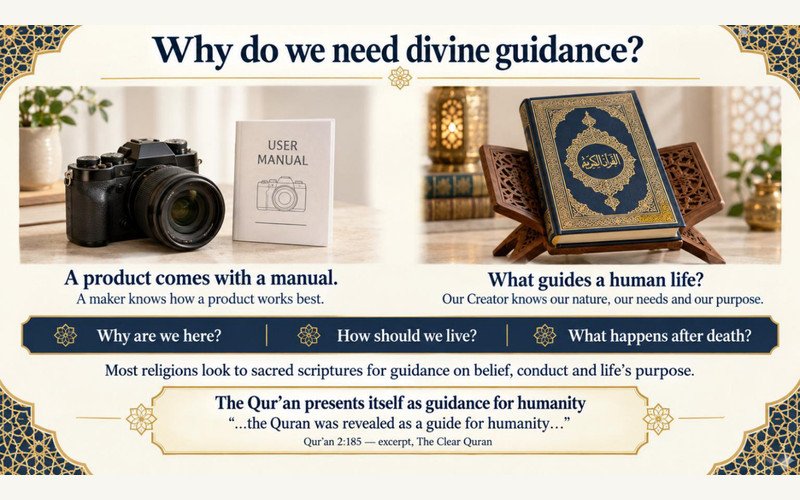
Without revelation, philosophers have proposed numerous meanings of life:
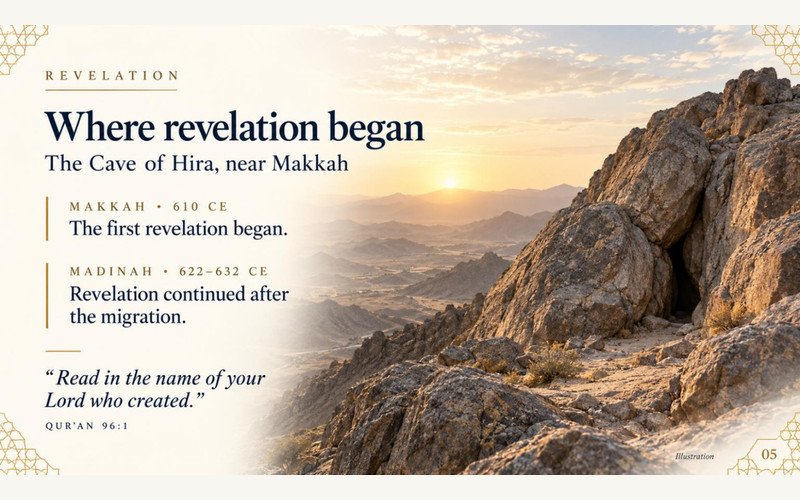
The Qur'an describes itself as a revealed and recited message rather than as a book initially delivered in a single bound volume.
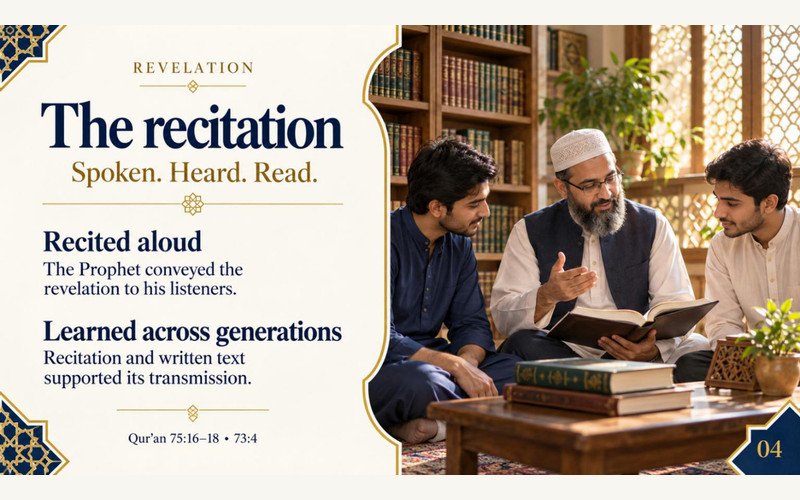
The Qur’an was revealed to Prophet Muhammad ﷺ in the Arabian Peninsula, mainly in two cities:
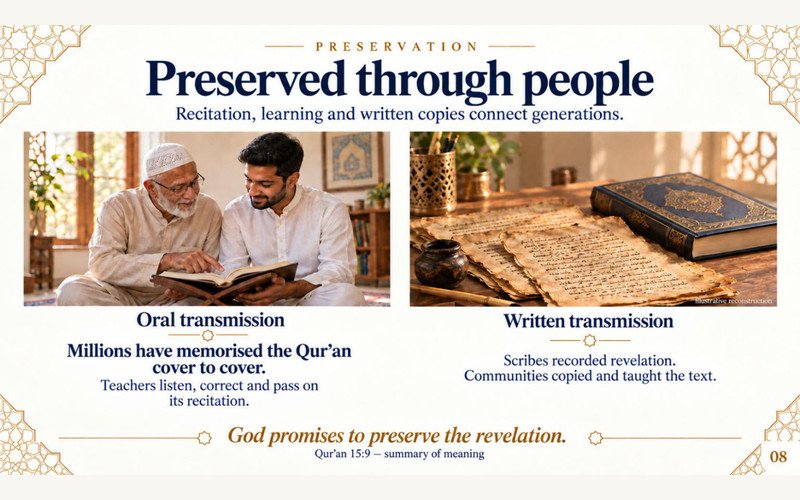
The early Muslim community therefore preserved the revelation through extensive memorization and recitation.
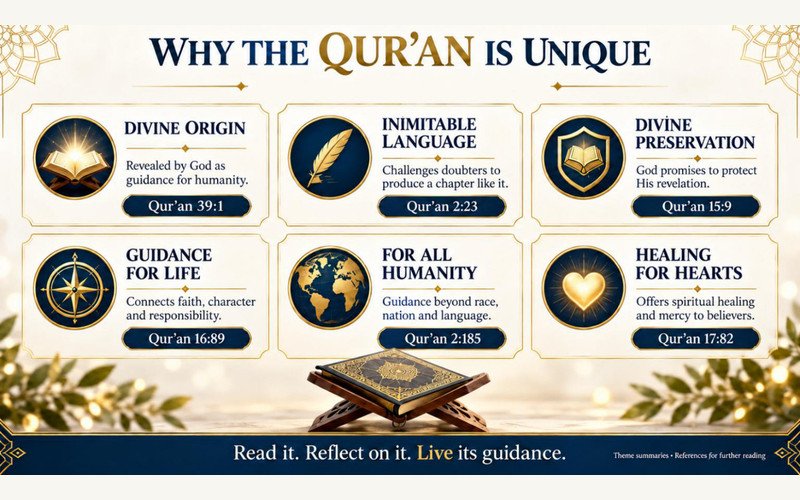
The Qur’an is unique not merely because Muslims regard it as sacred, but because of a combination of features concerning its message, preservation, language, structure, historical transmission, and influence.
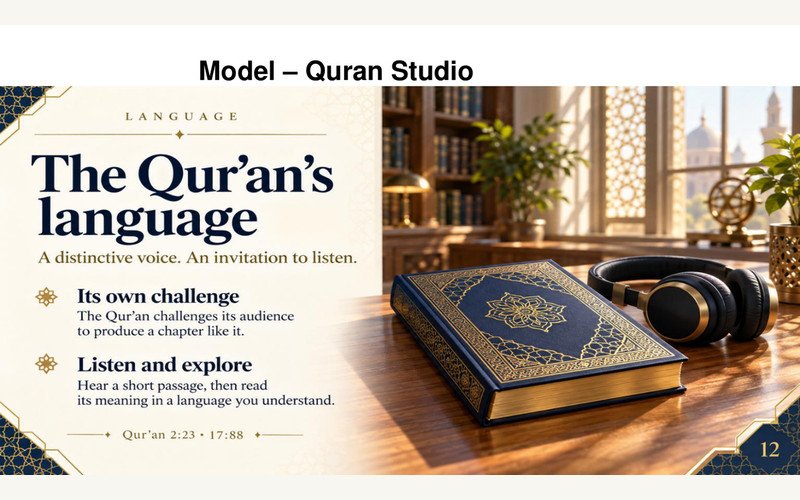
The Qur’an repeatedly challenges its opponents to produce something comparable.
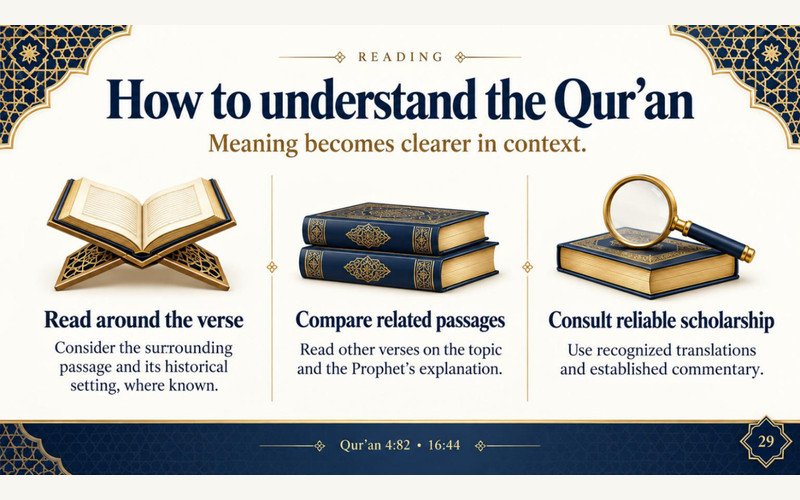
The Qur’an provides comprehensive guidance for every aspect of human life, including specific instructions concerning situations of war. To understand these rulings accurately, it is essential to examine the historical context, circumstances of revelation, and the inten
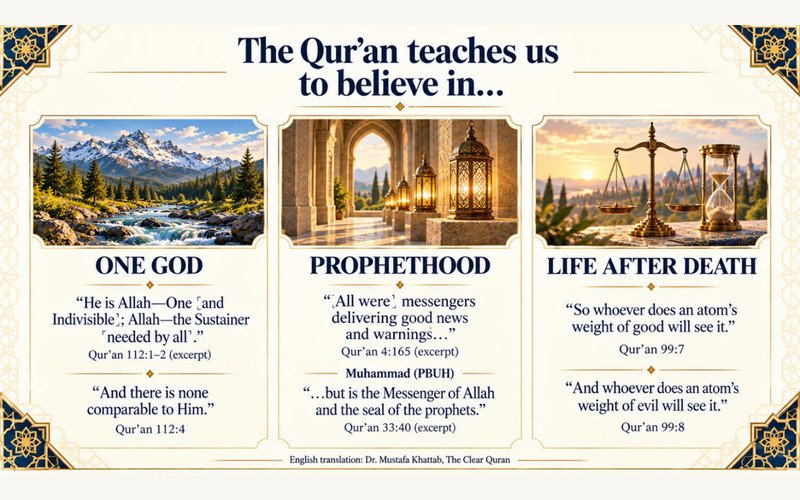
The Qur’an does not present itself as the first revelation from God.
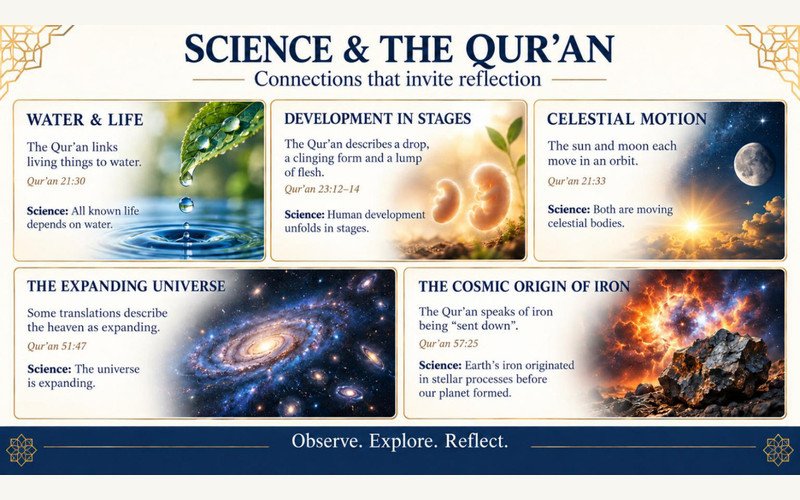
Claims concerning “scientific miracles” in the Qur’an have become extremely popular in modern Muslim apologetics.
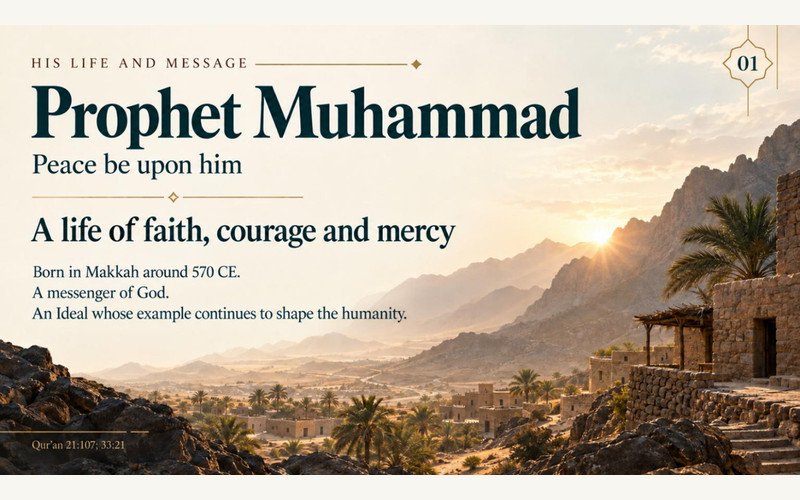
The Qur’an addresses Muhammad ﷺ directly but is not a biography. Details of his life come from hadith (reports of his words and actions) and sira (biographical literature). The earliest surviving full biography is by Ibn Ishaq (d. c. 767 CE), preserved mainly in Ibn His
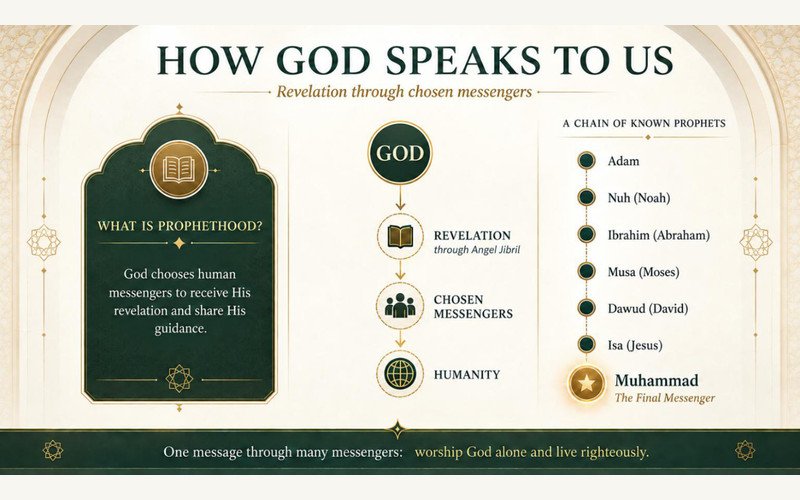
The Qur’an uses two Arabic words, nabi (prophet) and rasul (messenger). Every messenger is a prophet, and a messenger is one who brings a scripture or a law to a community. In everyday Muslim usage both describe people chosen by God to guide humanity.
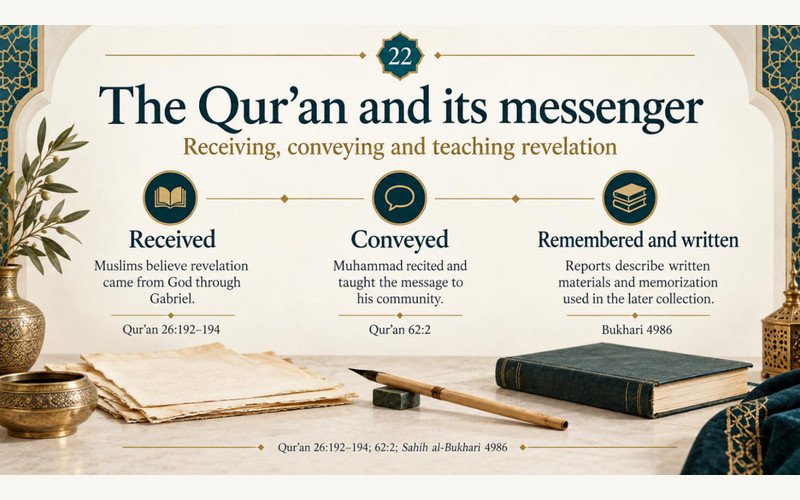
The Qur’an presents itself as revelation brought to Muhammad’s heart by the “Trustworthy Spirit” in clear Arabic (26:192–195). Tradition identifies Gabriel as that angel. Revelation came in portions, sometimes a few verses and sometimes a whole chapter, in response to e
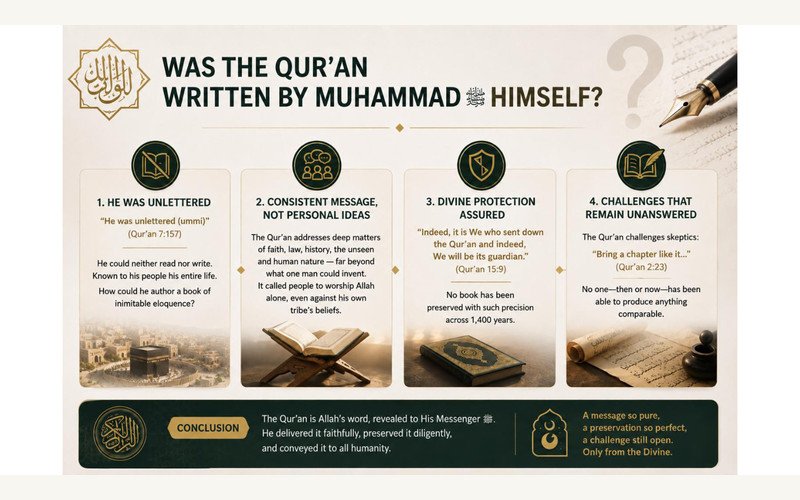
Even in Makkah some people said that a human being was teaching him (16:103) or that he had invented the Qur’an with help (25:4–5). The Qur’an answered each charge, and the Makkans, who had known him for forty years, never found in his earlier life any sign of poetry, p
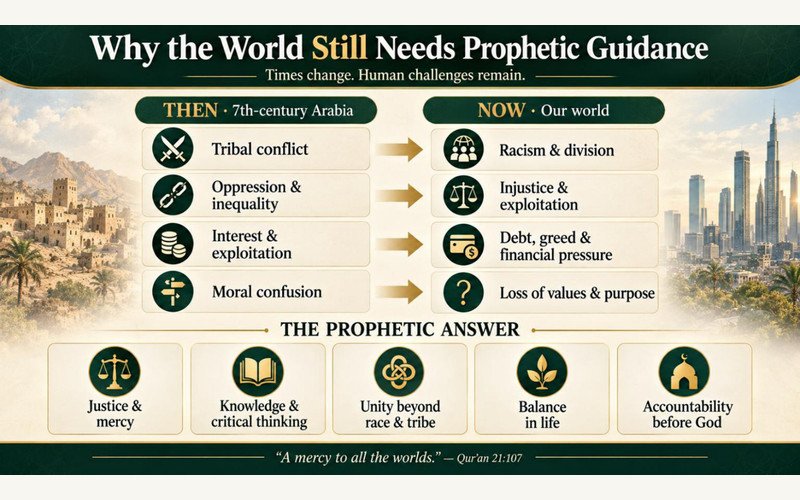
At the heart of the mission is tawhid, the oneness of God. The Qur’an presents the Prophet’s first task as calling people away from idols and from reliance on tribe, ancestry or wealth, to worship God alone (e.g. 112:1–4). From that principle follow equal worth of all h
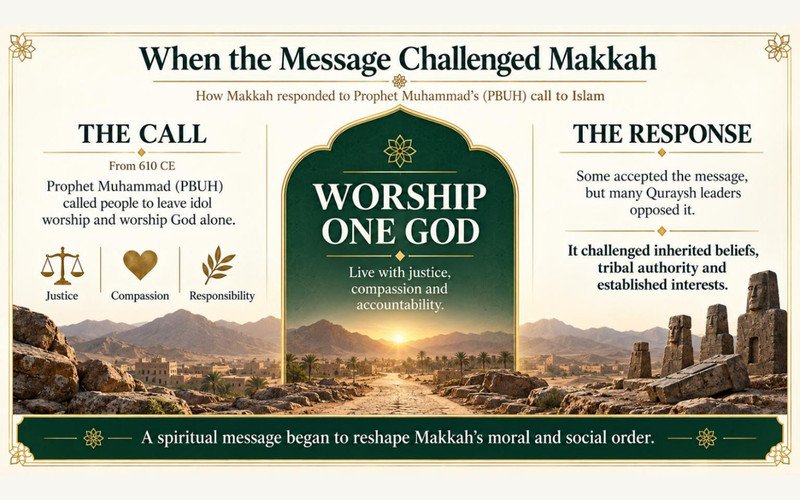
Makkah was a sanctuary town centred on the Ka‘bah, which the Quraysh tended. Tradition says the sanctuary held many idols; Ibn al-Kalbi’s Book of Idols gives the traditional count of 360 around the Ka‘bah. Pilgrims brought prestige and trade to the Quraysh. Arabia was n
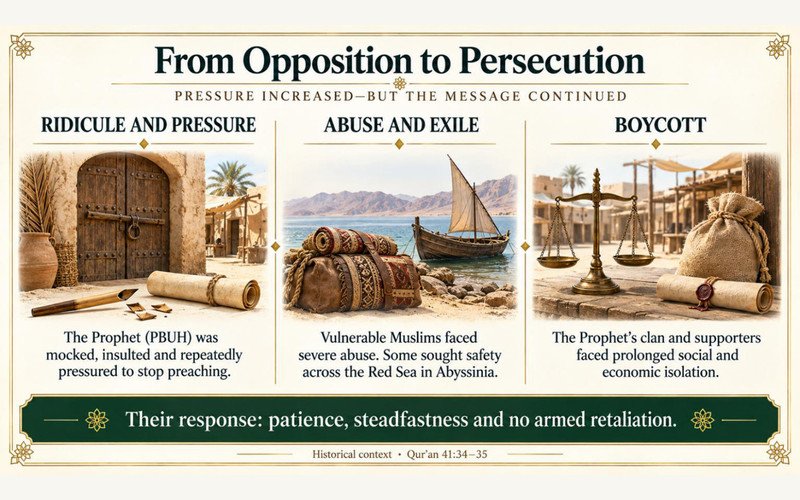
The first response of the Quraysh was mockery and pressure on his protector, Abu Talib, to silence him. They offered, according to tradition, wealth and leadership if he would stop. He is reported to have declined. Physical hostility followed. Ibn Abbas and Urwa report
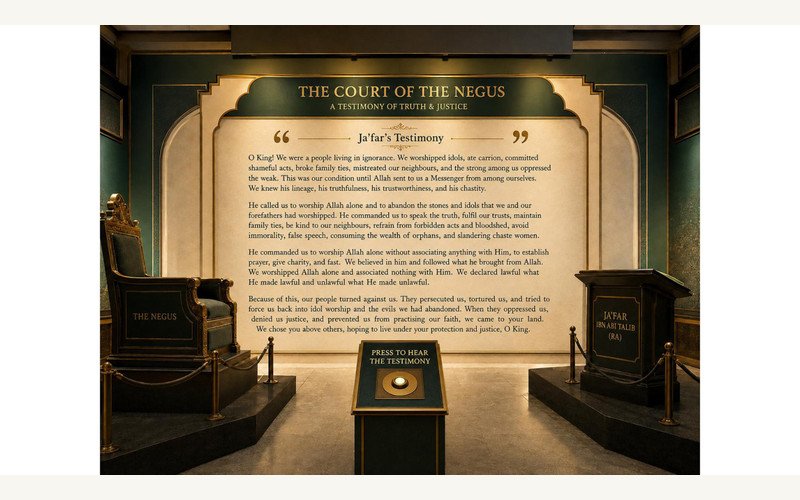
Facing persecution, the Prophet ﷺ advised some followers to go to Abyssinia, saying that its king would not wrong anyone (Ibn Ishaq). Traditional accounts give a first group of about eleven men and four women, including Uthman ibn Affan and his wife Ruqayyah, the Prophe
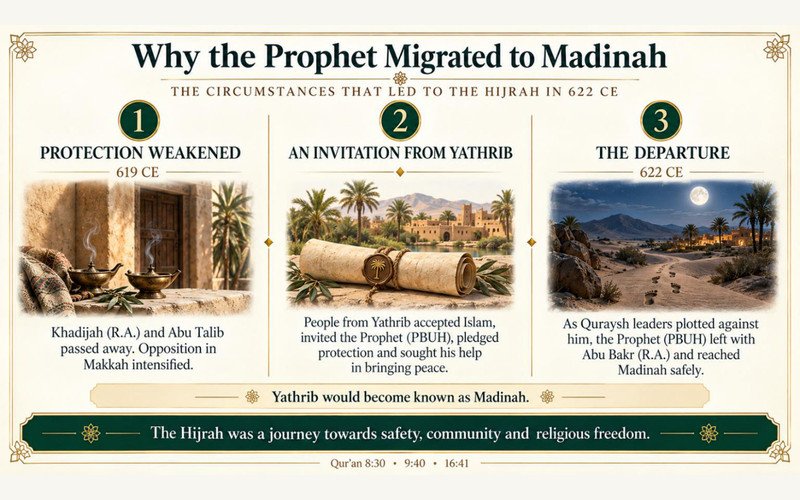
Three pressures converged. First, the deaths of Khadijah and Abu Talib in 619 removed his support at home and his clan protection. Second, after Ta’if rejected him he sought a new base. Third, Yathrib, an oasis about 350 km north, was divided between the Aws and Khazraj
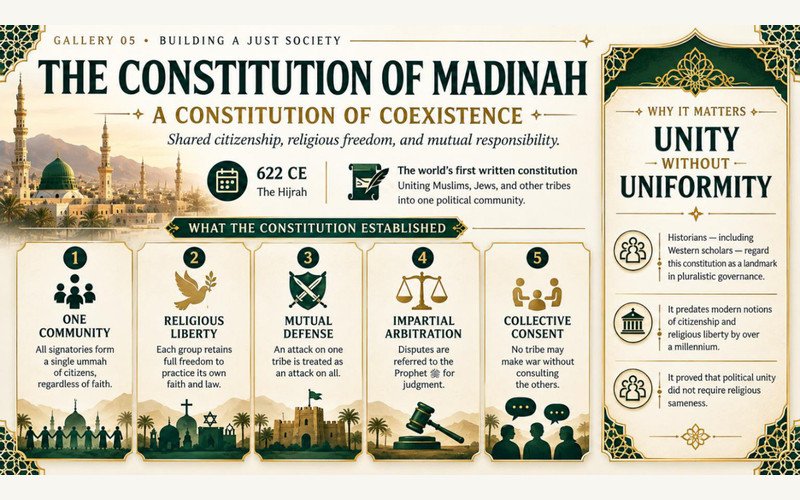
The text, called Sahifat al-Madina or Kitab al-Umma, survives in quotations in Ibn Ishaq’s biography (via Ibn Hisham) and in Abu ‘Ubayd’s Kitab al-Amwal, with other citations in later works. It lays out obligations in some forty-odd clauses, depending on how modern edit
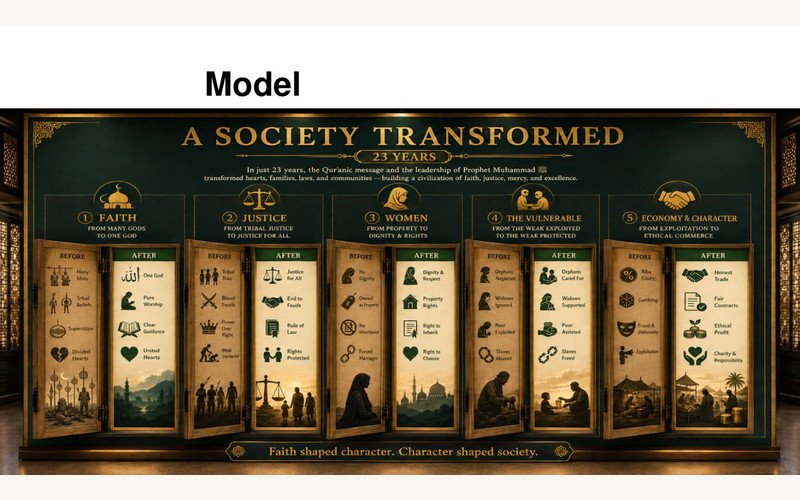
The Qur’an’s core demand was tawhid. By the end of the Prophet’s life most of the Arabian Peninsula had accepted his leadership, with delegations arriving in 630–631 (the “Year of Delegations”). Jews and Christians who kept their faith were given treaty protection (for
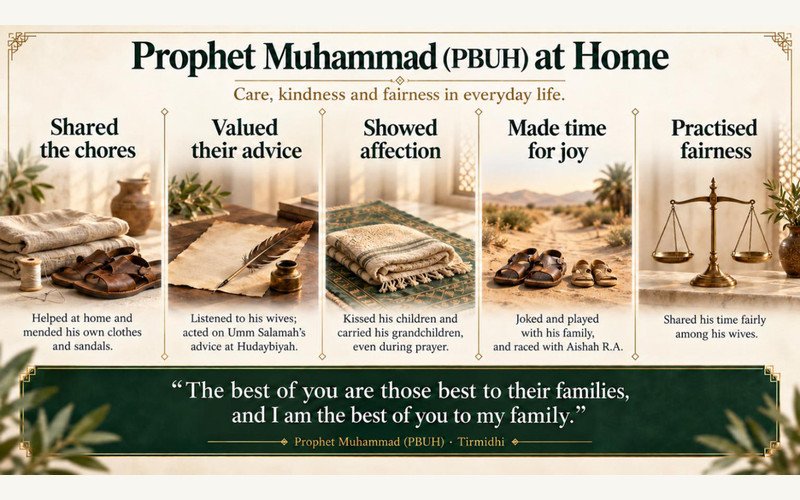
Most of what is known about his home life comes from Aisha (RA) and other wives, and from Companions who visited. These accounts are found in the Sahih collections of Bukhari and Muslim and in Sunan and Musnad works. These accounts are preserved with chains of narration
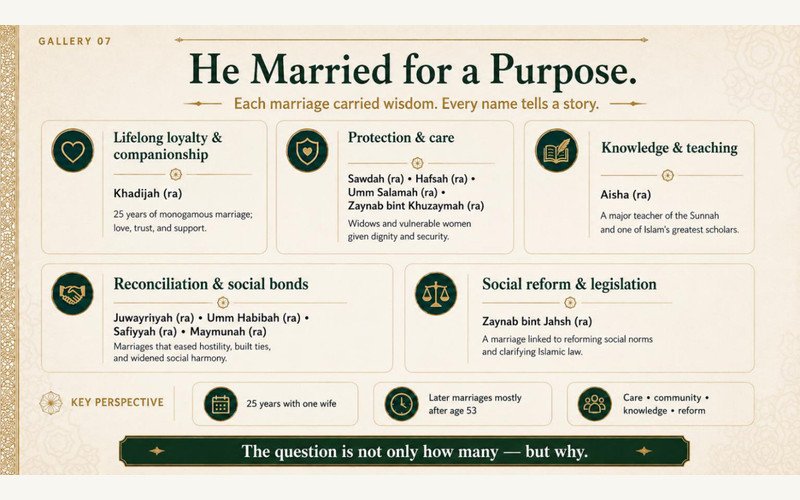
For about 25 years, from around 595 until her death in 619, Muhammad ﷺ had one wife, Khadijah, a businesswoman who, by tradition, was older than he. She supported him in the first revelations, and he remembered her fondly for the rest of his life.
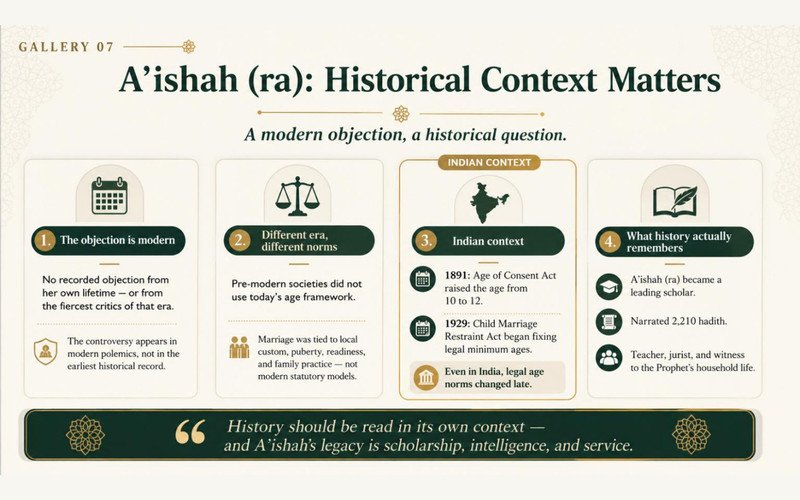
A’ishah (RA) (c. 614–678 CE), daughter of Abu Bakr (RA), grew up in a Muslim household and became known for her memory, eloquence and judgement. She is credited with 2,210 hadith, of which about 174 are agreed upon by Bukhari and Muslim. Prominent successors such as Urw
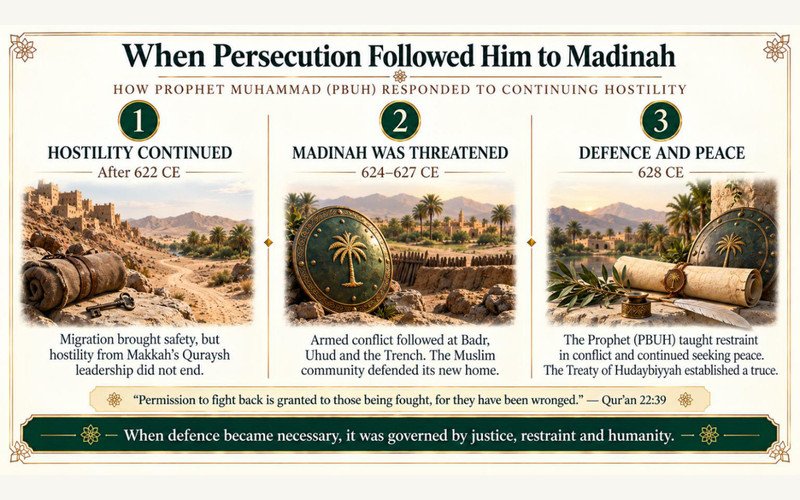
The emigrants had left Makkah and lost their property there, and the Quraysh remained at war with them. The Qur’an gives permission to fight those who have been wronged and driven from their homes (22:39–40). The tradition understands the early expeditions against Quray
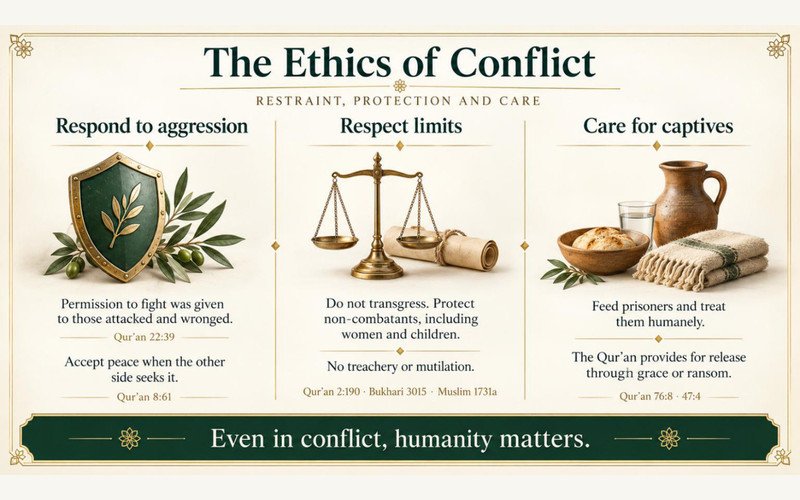
The first permission to fight was given to those who had been wronged (22:39). The Qur’an commands Muslims to fight those who fight them “but do not transgress” (2:190), and to incline to peace when the enemy does (8:61). It encourages kindness and justice towards non-M
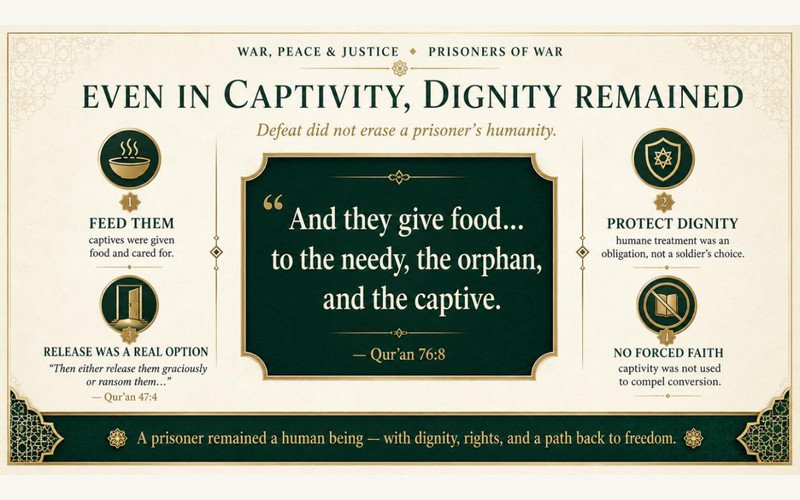
Among the traits of the righteous is that they give food, though they love it, to the poor, the orphan and the captive (76:8). Qur’an 47:4 says that after the fighting is over captives are to be released either as a favour or for ransom. The verse does not mention execu
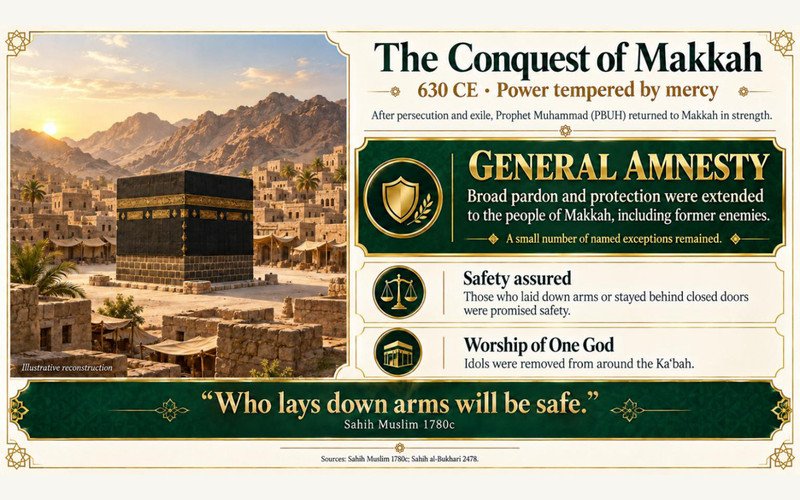
Two years into the Hudaybiyyah truce, a clan allied with the Quraysh attacked Khuza‘a, an ally of the Prophet ﷺ. The Prophet ﷺ regarded the truce as broken and marched on Makkah in Ramadan, 8 AH (January 630) with about 10,000 men.
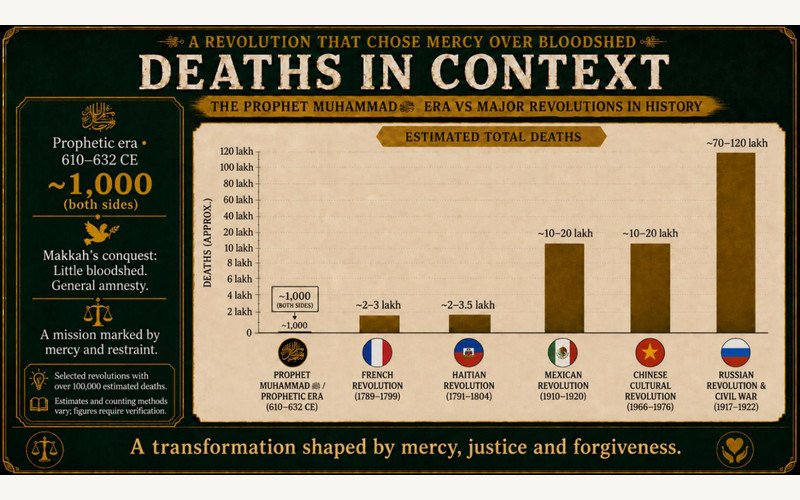
The figure of 1,018 deaths, 259 Muslims and 759 opponents, is a widely cited total obtained by adding the casualty figures that the classical sira literature gives for each battle and expedition. Estimates run from about 900 to 1,600 depending on which expeditions are c
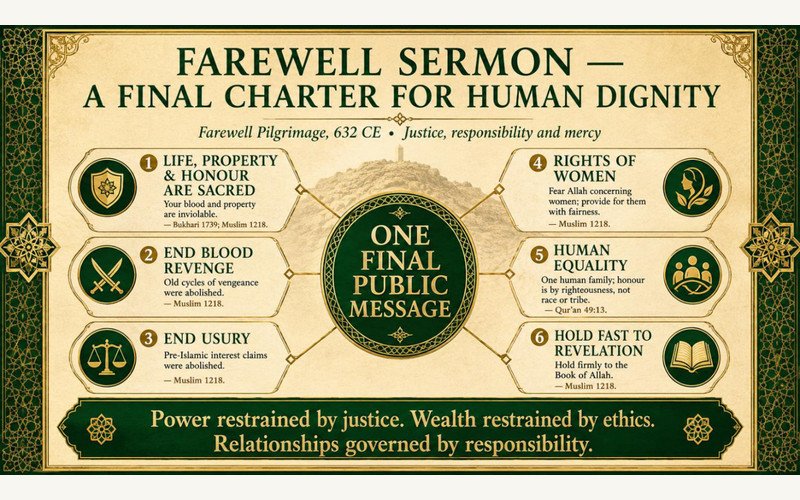
The Prophet ﷺ performed his farewell pilgrimage in the tenth year after the Hijrah. Traditional accounts say that more than 100,000 people were present. He spoke from his camel at Arafah, and the sermon was repeated for the crowd by Rabi‘a ibn Umayya. He died about thre
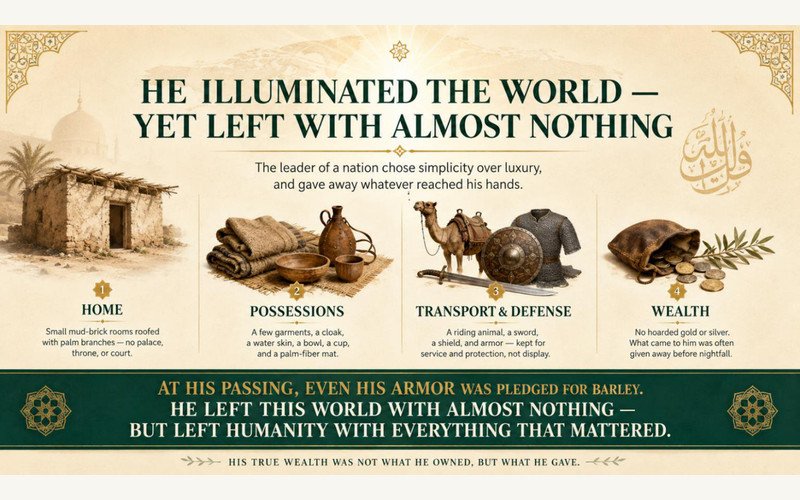
His rooms beside the Prophet’sﷺ Mosque (Masjid e Nabwi) in Madinah were small, built of mud brick and palm trunks with roofs of palm branches, and low enough that a man could touch the ceiling (Ibn Sa‘d, al-Tabaqat). There was no palace, throne or guard.
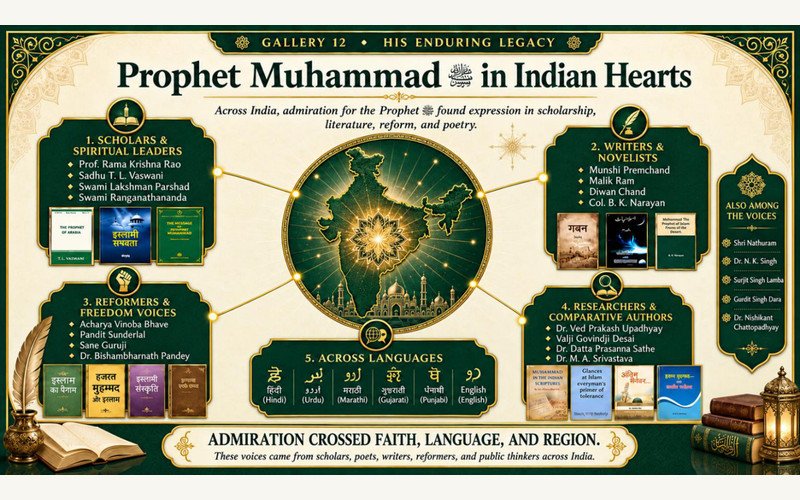
In Young India (1924), Gandhi wrote that, having read the Prophet’s ﷺ life, he was more convinced than ever that Islam did not win its place in the world by the sword. He pointed instead to the Prophet’s ﷺ rigid simplicity, self-effacement, regard for his pledges, devot
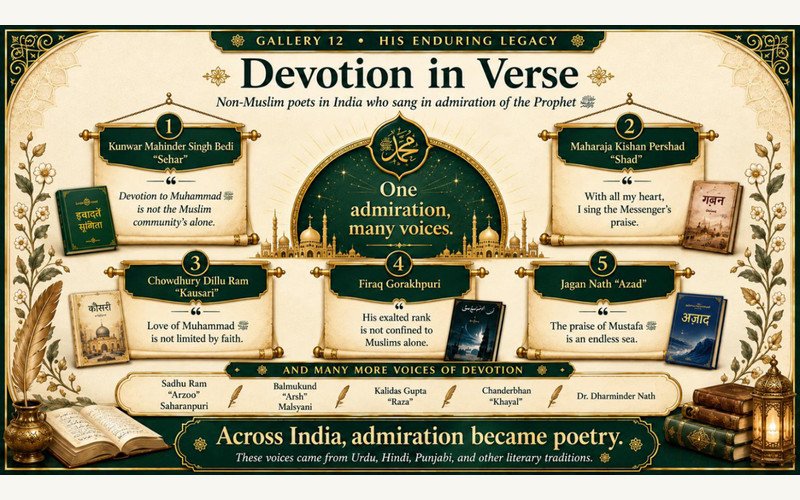
Na‘t (from Arabic, “description”) is poetry in praise of the Prophet ﷺ. Its origins are linked to early poets such as Hassan ibn Thabit and Ka‘b ibn Zuhayr, who recited before him. In South Asia it became a major genre in Persian and Urdu, from Amir Khusrau onward, and
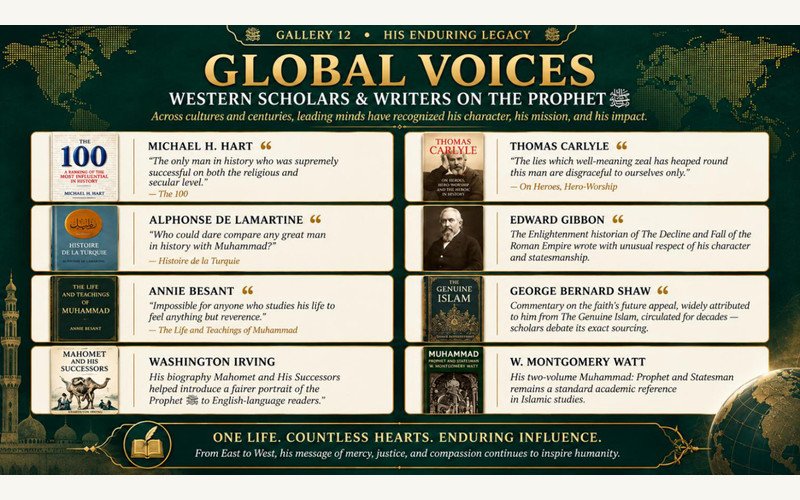
European writing about Muhammad ﷺ changed over the centuries. The Enlightenment brought fairer treatments, such as Henri de Boulainvilliers’ La Vie de Mahomed (1730) and George Sale’s English translation of the Qur’an (1734), and the tributes below belong to that curren