
From Fear to Understanding

From Fear to Understanding

Recognising Hate. Questioning Bias. Building Trust.

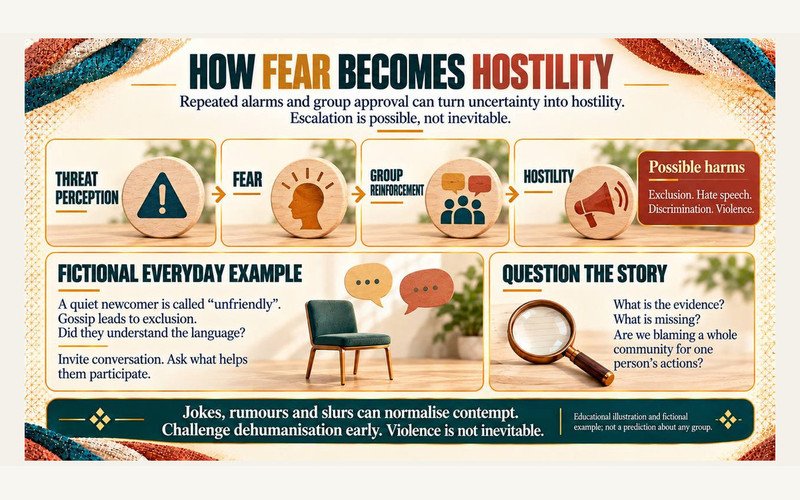
How fear becomes collective blame
From Fear to Understanding

How fear becomes collective blame

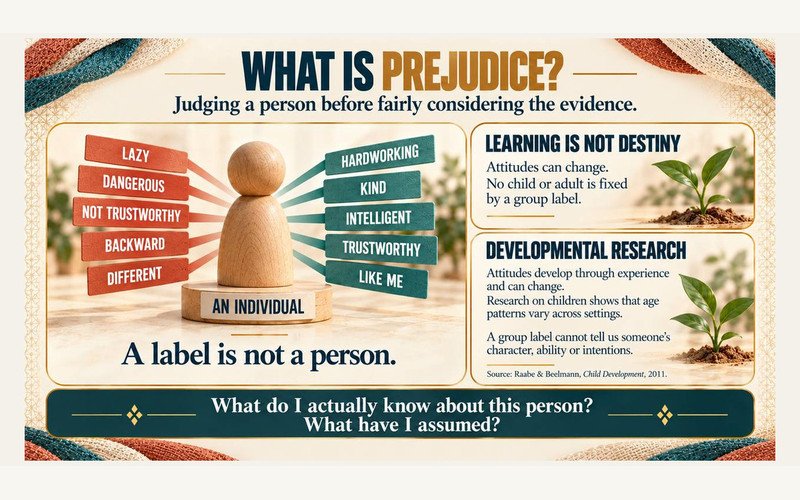
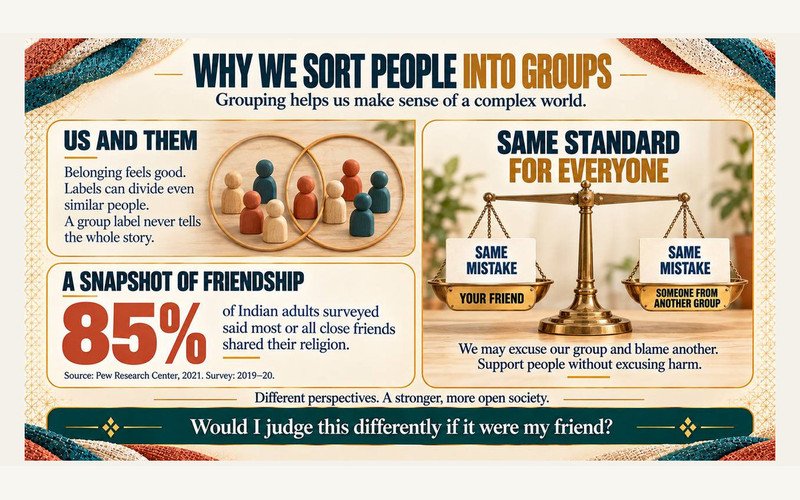
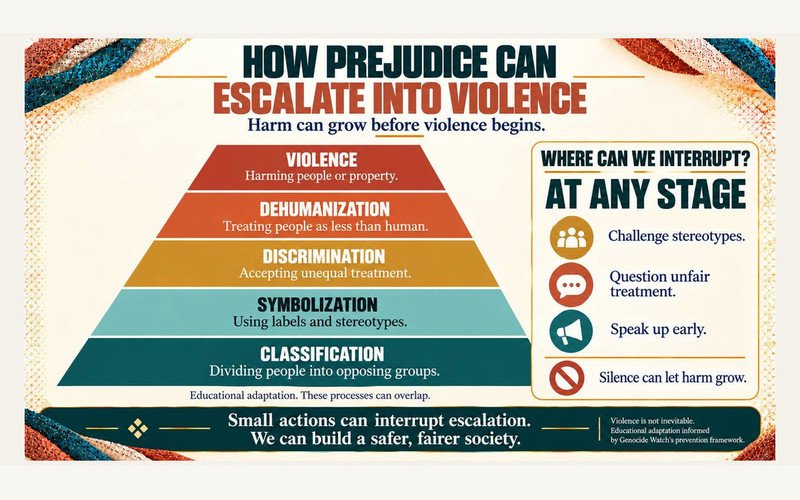
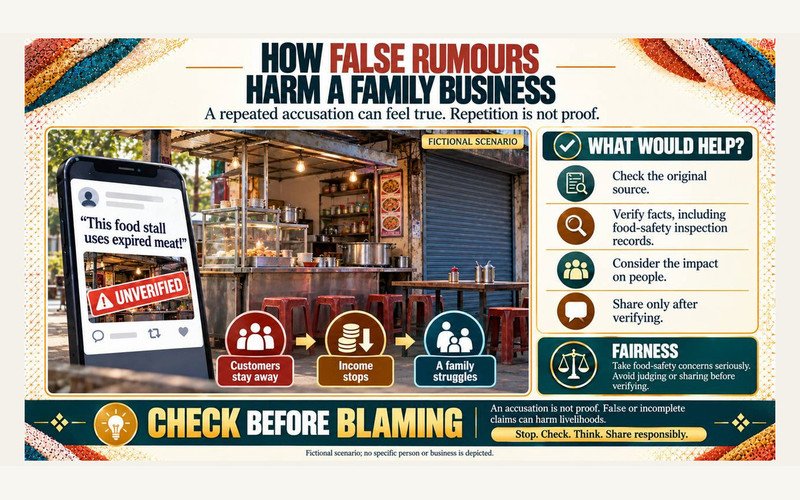
Fear becomes socially dangerous when an uncertain threat is attributed to an entire community and repetition makes that attribution seem established. A concern about jobs, safety or cultural change deserves evidence appropriate to the claim. It…

Learning from histories of organised hate
From Fear to Understanding

Learning from histories of organised hate

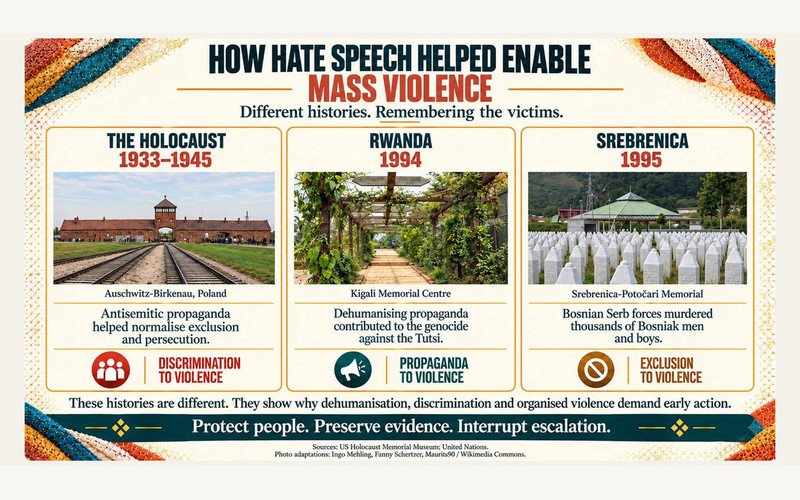
The Holocaust, the 1994 genocide against the Tutsi in Rwanda, the Srebrenica genocide and India's 1984 anti-Sikh violence have distinct histories. Comparing them responsibly means examining mechanisms such as dehumanisation, organised…

How headlines frame what we notice
From Fear to Understanding

How headlines frame what we notice

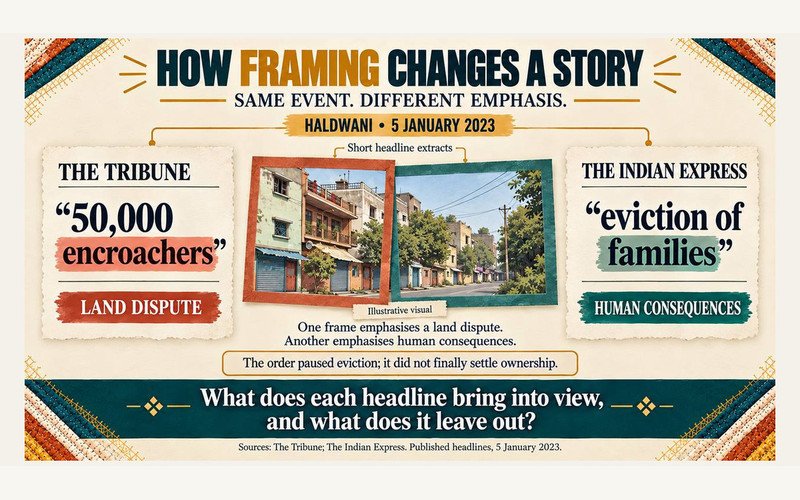
A frame gives prominence to some aspects of an event while leaving others in the background. Calling people “encroachers” directs attention towards an alleged land violation; calling them “families” directs attention towards human consequences.…

Halal labels and informed food choices
From Fear to Understanding

Halal labels and informed food choices

Halal means permissible within Islamic teaching. In food, it concerns ingredients and preparation; commercial certification is a system for checking specified requirements. A halal label is not evidence of a political project, and halal food is…

Population change without demographic fear
From Fear to Understanding

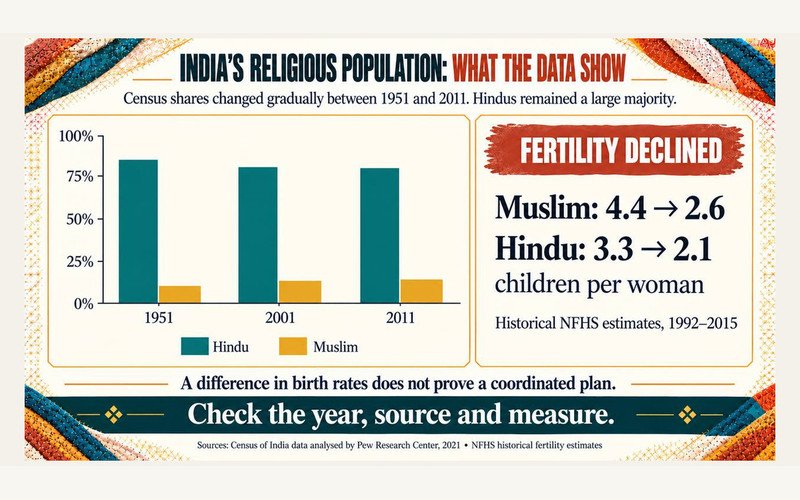
Population change without demographic fear

Population change is explained through births, deaths, migration and the age structure of communities. It cannot establish a collective political intention. India's fertility has fallen substantially, including among Hindus and Muslims, while…

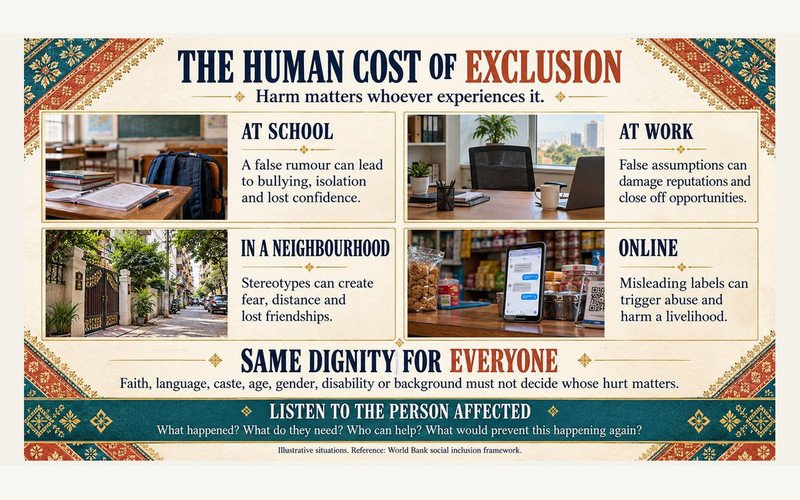
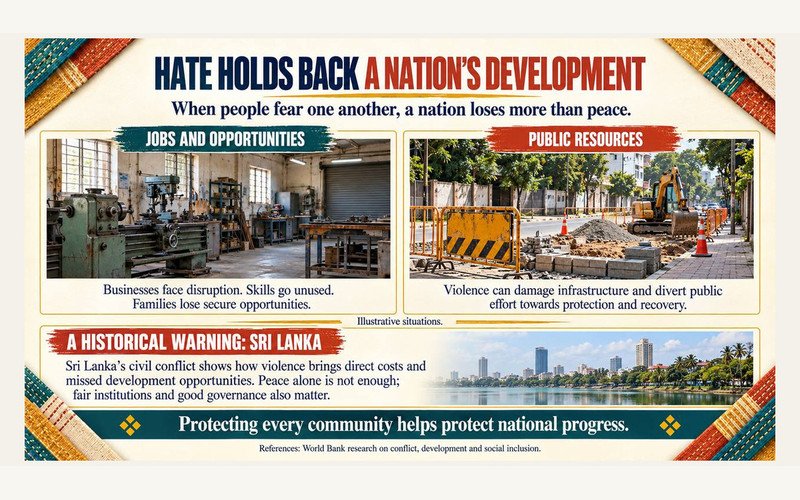
The human and economic costs of exclusion
From Fear to Understanding

The human and economic costs of exclusion

Exclusion can occur without spectacular violence. A child repeatedly mocked, a qualified applicant dismissed because of identity or a family shut out of housing loses more than one opportunity. Such experiences can narrow participation in…

People who make care concrete
From Fear to Understanding

People who make care concrete

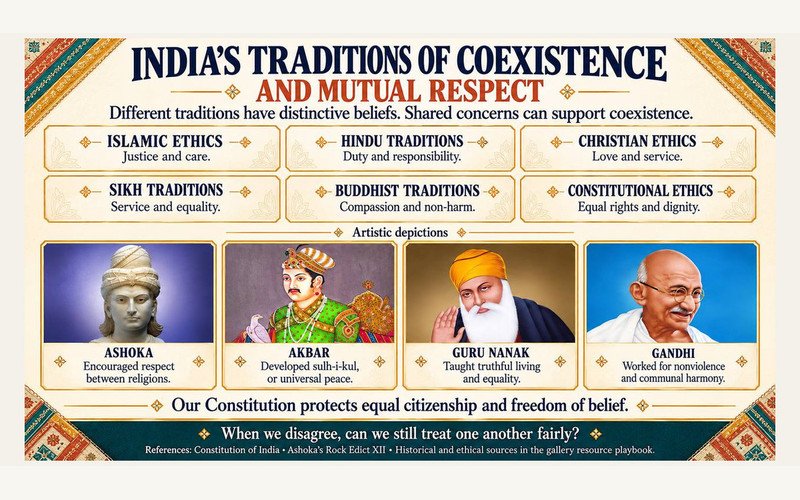
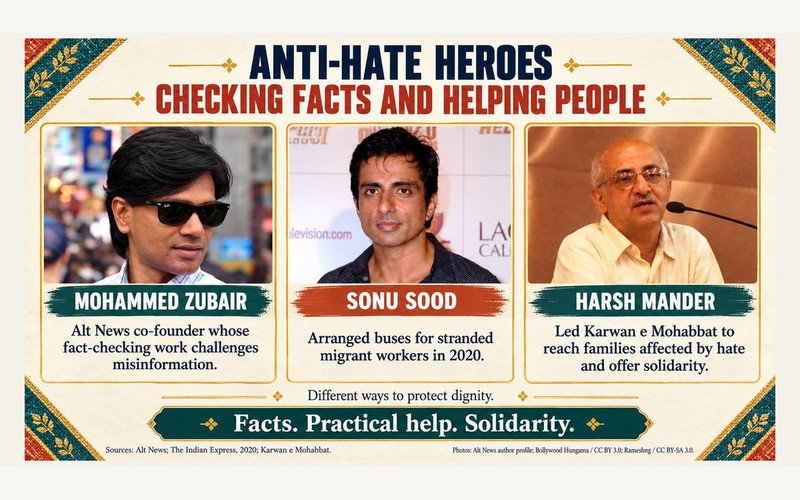
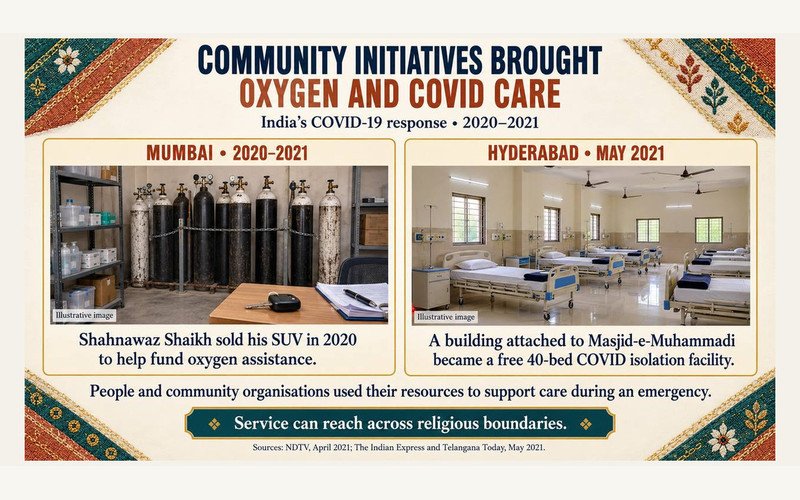
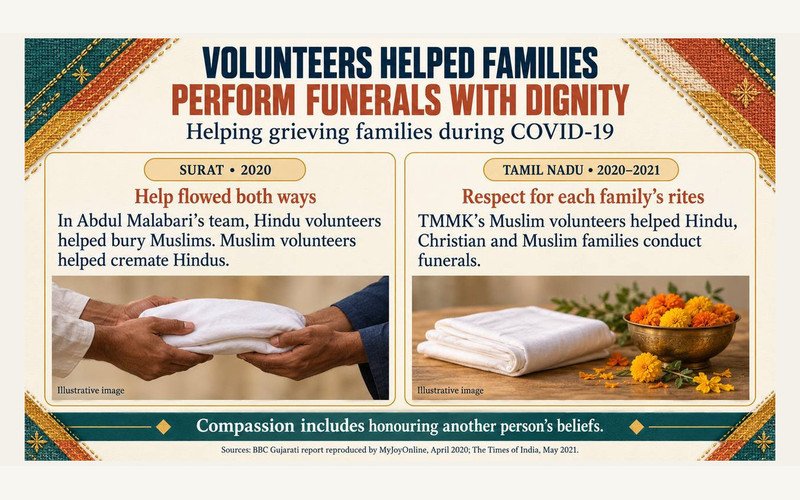
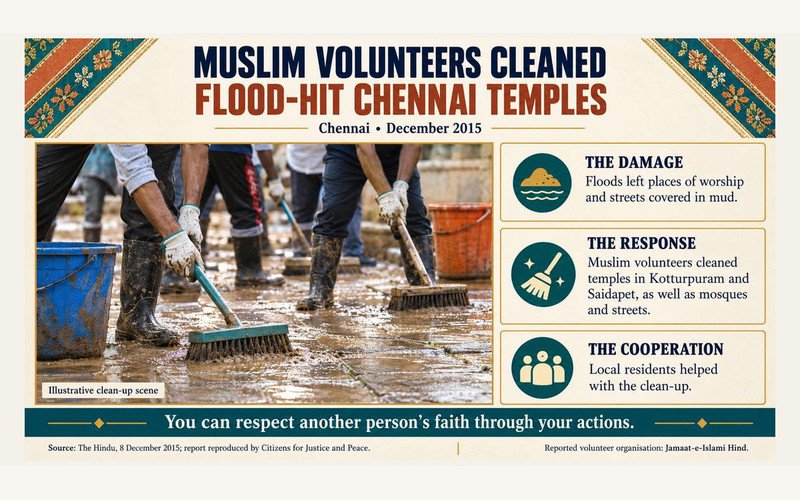
Care can take the form of immediate protection, practical assistance, teaching or sustained legal work. The gallery places these different actions beside one another to show that responsibility is not confined to public officials or religious…

Unlearning hate and keeping an open mind
From Fear to Understanding

Unlearning hate and keeping an open mind

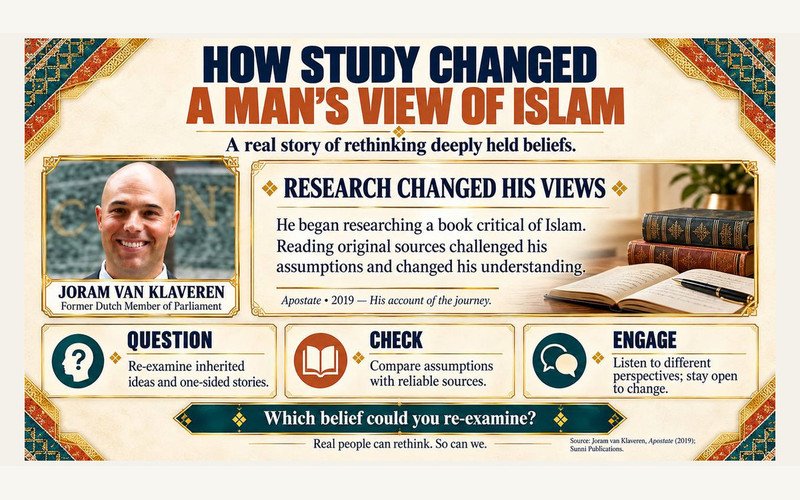
An open mind is a willingness to revise a belief when better evidence appears. It does not mean accepting every claim or giving equal weight to reliable research and unsupported assertions. The gallery uses Joram van Klaveren's account of…

Five actions that turn hope into practice
From Fear to Understanding

Five actions that turn hope into practice

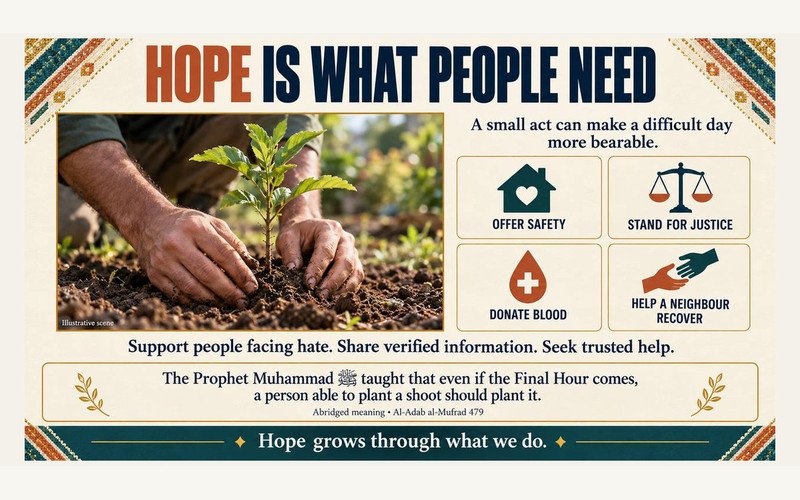
Hope becomes practical through actions that reduce harm and make cooperation possible. The gallery offers five: pause, verify, connect, speak respectfully and volunteer. These are habits, not a promise that individual goodwill can replace…